
Are Memecoins Dead? DOGE and SHIB Go Flat While New Tokens Show Strength—What’s Next?
The post Are Memecoins Dead? DOGE and SHIB Go Flat While New Tokens Show Strength—What’s Next? appeared first on Coinpedia Fintech News
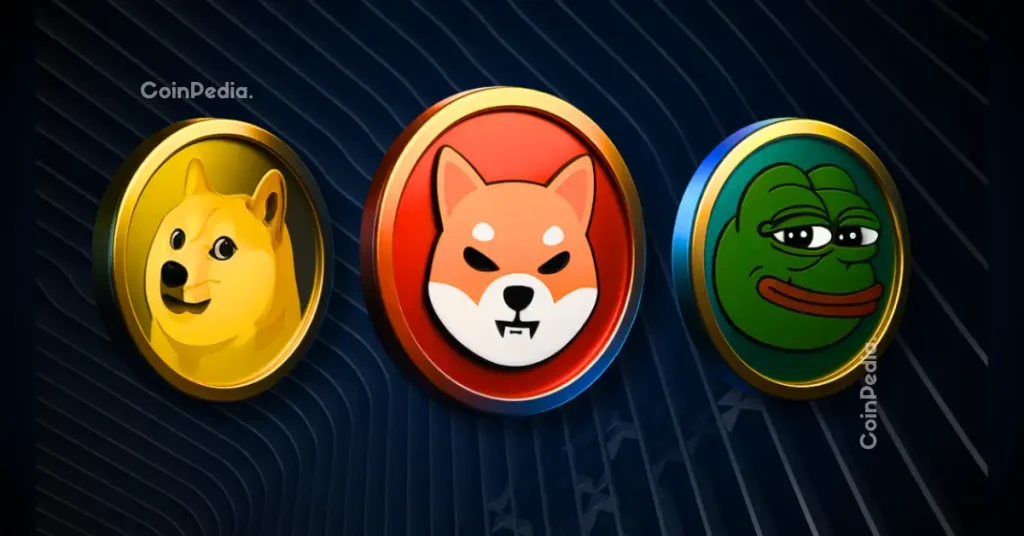
The memecoin market has entered a quieter stretch, raising fresh debate over whether the sector’s explosive cycle has finally lost steam. Benchmark names Dogecoin (DOGE) and Shiba Inu (SHIB) have spent several weeks moving in tight ranges, with declining volumes and muted volatility across major trading pairs.
The slowdown has fueled headlines suggesting the memecoin boom is running out of momentum. But a closer look at market data shows a different picture: speculative interest hasn’t vanished—it has simply shifted into smaller, faster-moving meme tokens that are beginning to separate from the broader trend.
Legacy Memecoins Lose Momentum as Market CoolsDOGE and SHIB, which still dominate memecoin market capitalization, remain stuck in consolidation. Price swings have narrowed, spot liquidity has thinned, and fewer traders are chasing short-term setups in these large-cap names.
Dogecoin price has been plunging hard despite numerous bullish attempts, which suggests a drop to the pivotal support close to $0.13 is on the horizon. On the other hand, SHIB & PEPE are also demonstrating a similar price pattern. The memecoin market capitalisation has dropped from the interim highs at $59 billion to levels close to $43 billion, while the volume reaches close to $5 billion.
Smaller Memecoins Start to OutperformWhile DOGE and SHIB prices remain locked in narrow ranges, several mid-cap and emerging memecoins have started to diverge from the broader slowdown. The list includes tokens that continue to draw retail flows and show cleaner breakouts compared to the larger caps:
- BONK (Solana)—maintains steady liquidity and remains one of the few meme assets still recording consistent intraday spikes on Solana-based DEXs.
- PEPE (Ethereum)—despite volatility, PEPE continues to attract strong social activity and remains a key rotational play during periods of market risk-taking.
- FLOKI (Ethereum/BSC)—has held its trend better than other older memecoins, supported by active community-driven campaigns and recurring trading momentum.
- WIF (Solana)—still one of the strongest performers in the Solana memecoin cluster, with periodic bursts of volume even during broader market cooling.
- PENGU (Solana)—one of the newer Solana-native memes gaining traction, benefiting from strong community-building and short, sharp rallies.
These tokens haven’t broken away into a clear bull phase, but they’ve shown stronger resilience and more consistent trading activity than many of their peers—an early sign of where speculative liquidity is rotating.
Why the Sector Isn’t Finished YetDespite the broader cooldown, there is little evidence that the memecoin trend itself is collapsing. Several structural factors remain intact:
- Retail activity is still present, though spread across more tokens.
- Social media visibility remains high, with meme tokens still dominating trending discussions across multiple crypto platforms.
- Microcap volatility clusters are reappearing, typically a sign that traders expect a rebound in speculative assets.
This fragmentation resembles early phases of previous meme cycles, where smaller tokens rally first before attention eventually returns to the larger names.
ConclusionMemecoins aren’t dead—they’re in transition. DOGE and SHIB continue to consolidate, creating the impression of a stalled market, but activity inside the sector tells a different story.
Speculative flows are moving toward newer, higher-momentum tokens, keeping the category alive even as its biggest assets move sideways.
For now, the memecoin market appears to be entering a selective phase rather than a broad downturn, with only a handful of emerging tokens driving most of the action.