
CachyOS challenges Ubuntu in new server benchmarks
CachyOS announced a server edition for 2026, while Michael Larabel of Phoronix benchmarked its current Arch Linux-based release on an AMD EPYC Supermicro server against upstream Arch Linux, Ubuntu 24.04.3 LTS, and Ubuntu 25.10 to assess out-of-the-box server performance.
CachyOS, an operating system derived from Arch Linux, integrates performance optimizations originally developed for Intel’s Clear Linux distribution, which Intel discontinued earlier in 2025. This distribution has attracted Linux enthusiasts and gamers through its enhanced performance capabilities right from installation, without requiring user modifications. The forthcoming CachyOS Server Edition aims to extend these attributes to enterprise server environments, where reliability and efficiency under load are paramount.
Larabel initiated the benchmarking process on Christmas Day during the 2025 holiday period, utilizing a Supermicro server equipped with AMD EPYC processors. The tests evaluated the existing CachyOS release in a server context prior to the specialized edition’s development. Results from these benchmarks provide an initial gauge of CachyOS viability on high-core-count server hardware.
Comparisons involved four distinct operating systems: the upstream Arch Linux distribution, Ubuntu 24.04.3 LTS as the prevailing server standard, and Ubuntu 25.10 to reflect recent advancements ahead of the Ubuntu 26.04 LTS scheduled for April 2026. Each system underwent identical testing conditions to isolate performance differences attributable to their default configurations.
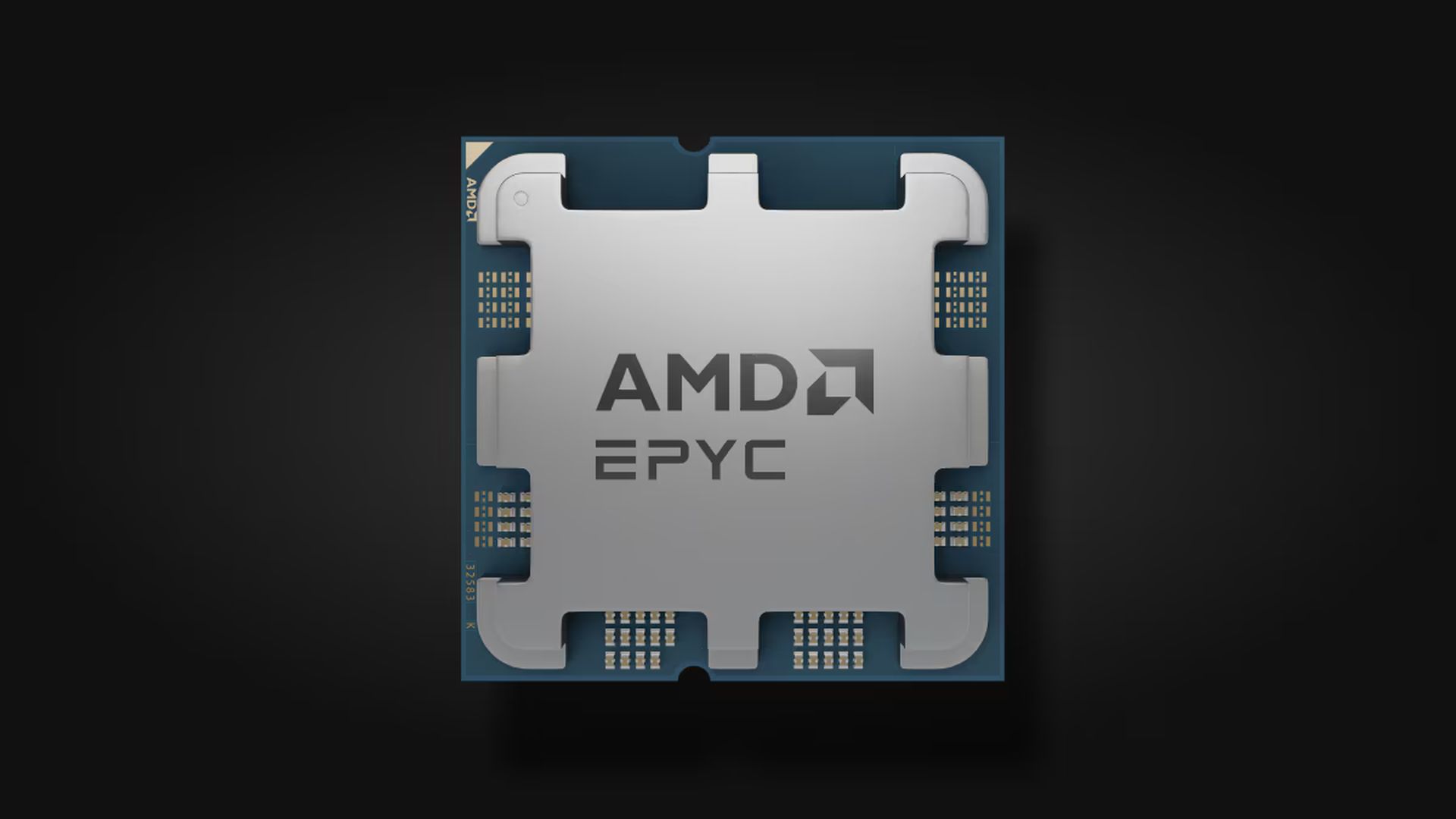
The test platform consisted of a 96-core AMD EPYC 9655P processor based on the Zen 5 architecture, paired with a Supermicro H13SSL-N motherboard. Memory configuration included twelve 64 GB modules of DDR5-6000 RAM, totaling 768 GB. Storage was provided by a 3.2 TB Micron 7450 NVMe SSD, selected for its high-speed read and write capabilities suitable for server workloads.
All operating systems—Ubuntu 24.04.3 LTS, Ubuntu 25.10, Arch Linux, and CachyOS—received fresh installations on the server during the week of the tests. This approach ensured a clean baseline, free from prior configurations or accumulated data that could skew outcomes.
Performance assessments focused on out-of-the-box settings, incorporating each distribution’s default kernel configuration, CPU frequency scaling drivers, and governors. These elements directly influence power management and computational throughput, revealing the immediate usability of CachyOS on servers without custom tuning.
Larabel expressed intent to evaluate the official CachyOS Server Edition upon its 2026 release, conducting tests on both AMD EPYC and Intel Xeon servers. Such evaluations will incorporate anticipated server-specific hardening measures and further optimizations developed in the interim.
In addition to raw performance metrics across multiple workloads, the benchmarks monitored CPU power consumption of the AMD EPYC 9655P processor. This measurement calculates performance-per-watt efficiency, a critical factor for data centers aiming to balance computational output with energy costs and thermal constraints.
These tests occur amid a landscape shifted by Intel’s termination of Clear Linux, heightening interest in alternative Linux distributions offering advanced performance tuning for servers.