
Samsung is building a global shutter-level sensor for the Galaxy S26
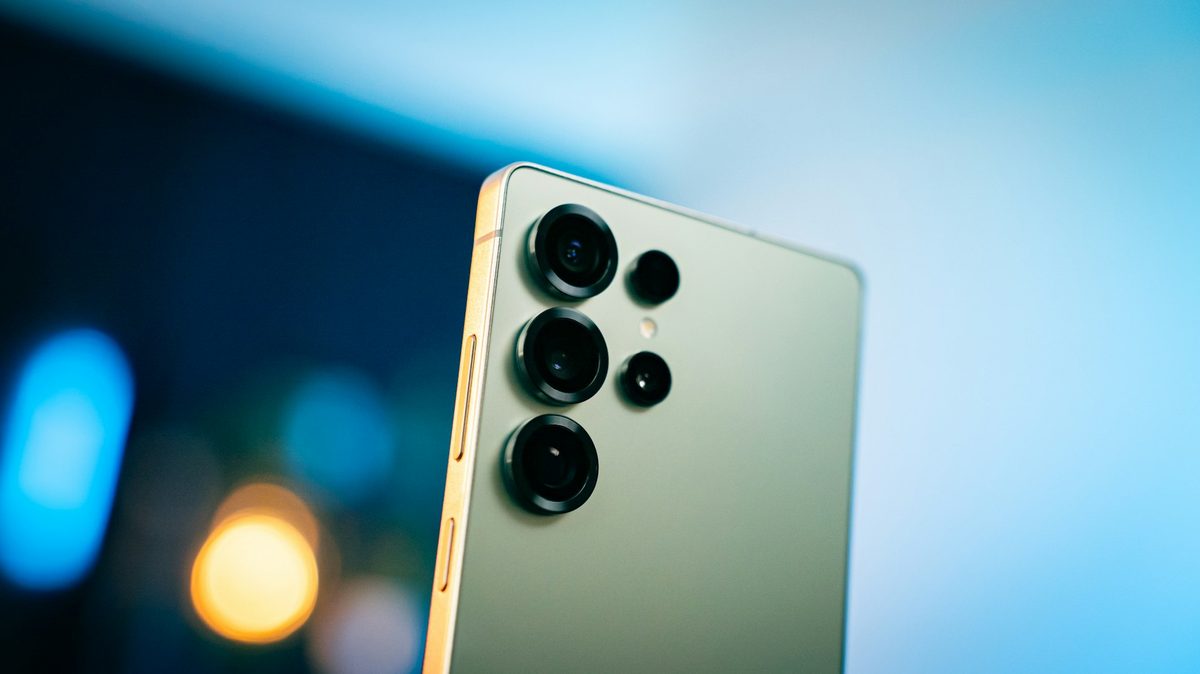
Samsung Electronics is developing a new smartphone camera sensor with global shutter-level performance for its next-generation Galaxy flagships, possibly the S26 series, S27 family, or upcoming foldables. The sensor employs a rolling shutter mechanism enhanced by a novel pixel structure and an optical-flow algorithm to improve motion capture and reduce subject warping.
Current smartphone camera sensors predominantly utilize a rolling shutter system, which captures images by exposing pixels line by line in a sequential manner. This process scans the scene gradually from top to bottom, resulting in potential distortions when photographing fast-moving subjects. In contrast, a true global shutter exposes all pixels simultaneously, allowing for precise capture of motion without the typical warping effects associated with rolling shutters. Global shutter technology excels in scenarios involving rapid movement, such as sports or action photography, by preserving the integrity of the image across the entire frame.
Despite these advantages, global shutter sensors face limitations in resolution because they necessitate very large pixels to function effectively. Larger pixels enable the simultaneous exposure required for global operation but restrict the total number of pixels that can fit on the sensor, leading to lower overall image resolution. Samsung’s approach addresses this challenge by retaining the rolling shutter foundation while integrating innovations to mimic global shutter outcomes. Reports indicate that the sensor incorporates a 1.5-micron pixel size and achieves a 12-megapixel resolution, balancing performance with practical constraints.
A central element of this development lies in the pixel structure, particularly the placement of the analog-to-digital converter (ADC). In conventional smartphone sensors, the analog signals generated by the pixels are transmitted to an external ADC for conversion into digital data. This separation can introduce delays in the processing pipeline. Samsung’s design embeds the ADC directly within the pixels, streamlining the conversion process. By integrating the ADC at the pixel level, the sensor accelerates the time required to transform analog inputs into digital outputs, facilitating quicker overall image capture.
The shared ADC configuration further refines this efficiency. Specifically, four pixels share a single ADC, creating a 2×2 pixel group. Within this group, the pixels operate sequentially, akin to traditional rolling shutter behavior, to manage the conversion workload. The remaining pixels on the sensor, outside these groups, function in a manner that emulates global shutter operation, enabling near-simultaneous exposure across broader areas. A Samsung Electronics source explained this setup to Sisa Journal (via Jukan), stating, “The structure is such that four pixels share one ADC, so only the 2×2 pixels can operate sequentially like a rolling shutter, and the rest can operate as a global shutter.” This hybrid method compensates for motion artifacts through the optical-flow algorithm, which analyzes and corrects distortions caused by the rolling exposure sequence.
Given its 12-megapixel resolution, the sensor does not align with the specifications of primary cameras on flagship Galaxy devices, which commonly feature 50-megapixel or 200-megapixel sensors for high-detail main imaging. Instead, the technology suits secondary lenses, such as the ultrawide or 3x telephoto modules. These applications would benefit from enhanced motion freezing capabilities, allowing clearer shots of dynamic subjects in varied focal lengths without the resolution demands of the main camera.
The development draws from reporting by Sisa Journal, with additional acknowledgment to Jukan on X for highlighting the details. This sensor represents Samsung’s effort to advance camera performance in mobile devices through targeted architectural improvements.