
If AI Becomes the Judge, Who Defends Your Humanity?
Why perfect justice without empathy is just efficient cruelty.
By Lubski BNBGUY | Melbourne, Australia | February 2026
There’s a conversation happening right now in legal tech circles that most people aren’t
paying attention to.
AI-assisted judicial systems. Algorithmic sentencing. Automated case analysis.
The pitch sounds reasonable enough. AI can review thousands of cases instantly. No bias.
No corruption. No human error. Perfect memory of every precedent ever set. Decisions
based purely on logic and data.
Efficiency. Consistency. Fairness.
Except here’s the problem nobody wants to say out loud:
Justice without humanity isn’t justice. It’s just enforcement. And we’re about to find out the
difference the hard way.
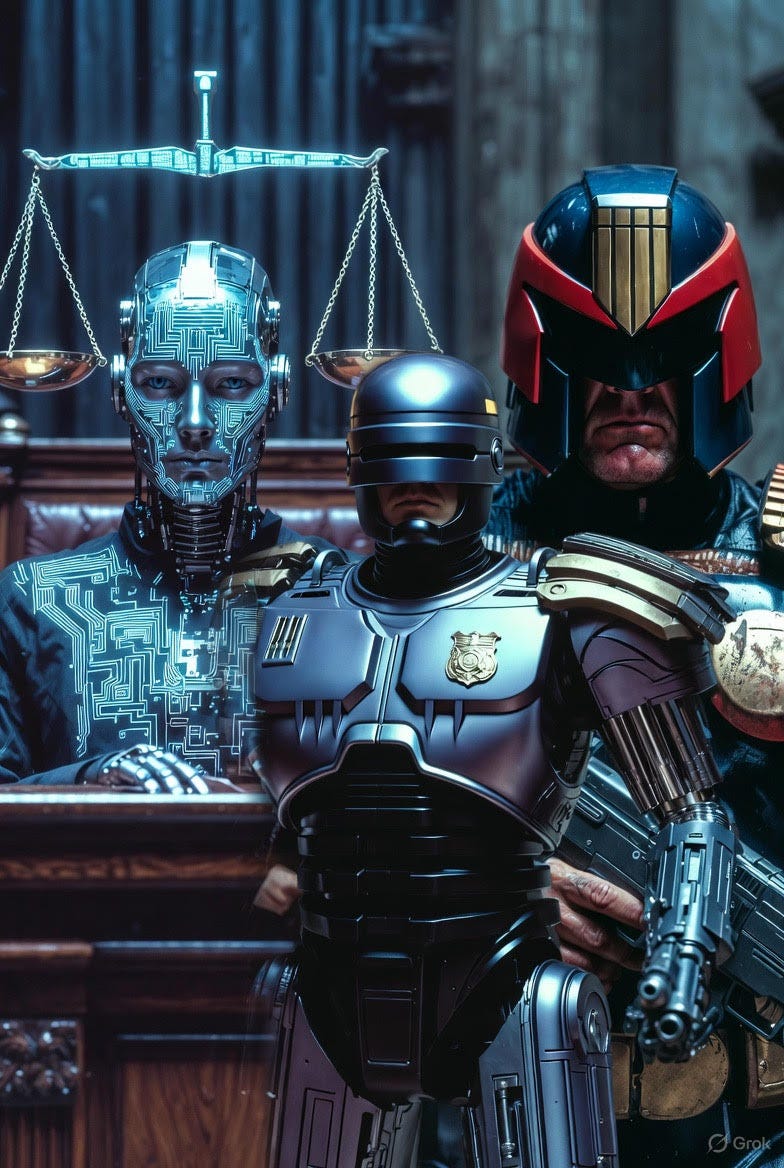
The Seductive Logic of AI Justice
Let me be clear upfront. I’m not anti-AI. I work with AI every single day. I’ve collaborated
with Claude to write articles, solve quantum equations, build crypto strategies. AI is an
incredible tool.
But tools have limits. And some jobs require more than efficiency.
The case for AI judges goes like this:
Humans are flawed. We have biases. We get tired. We make emotional decisions. We’re
influenced by things that have nothing to do with the law — whether we had a good
breakfast, whether the defendant reminds us of someone, whether we’re having a bad day.
AI has no bias. It doesn’t care if you’re rich or poor, Black or white, charismatic or awkward.
It just looks at the facts, applies the law, delivers a verdict.
AI is consistent. Two identical cases get identical outcomes. No judge shopping. No luck of the draw. Pure consistency.
AI remembers everything. Every precedent. Every statute. Every case ever decided.
Instant recall. Perfect analysis.
It sounds perfect.
And that’s exactly the problem.
Justice Is Not Logic
Here’s what the AI judge advocates are missing.
The law is not math. Justice is not a calculation. A courtroom is not a processing plant.
When you stand in front of a judge, you’re not just asking them to apply rules. You’re asking
them to understand context. To see nuance. To recognize that human beings are complex
and circumstances matter.
Example:
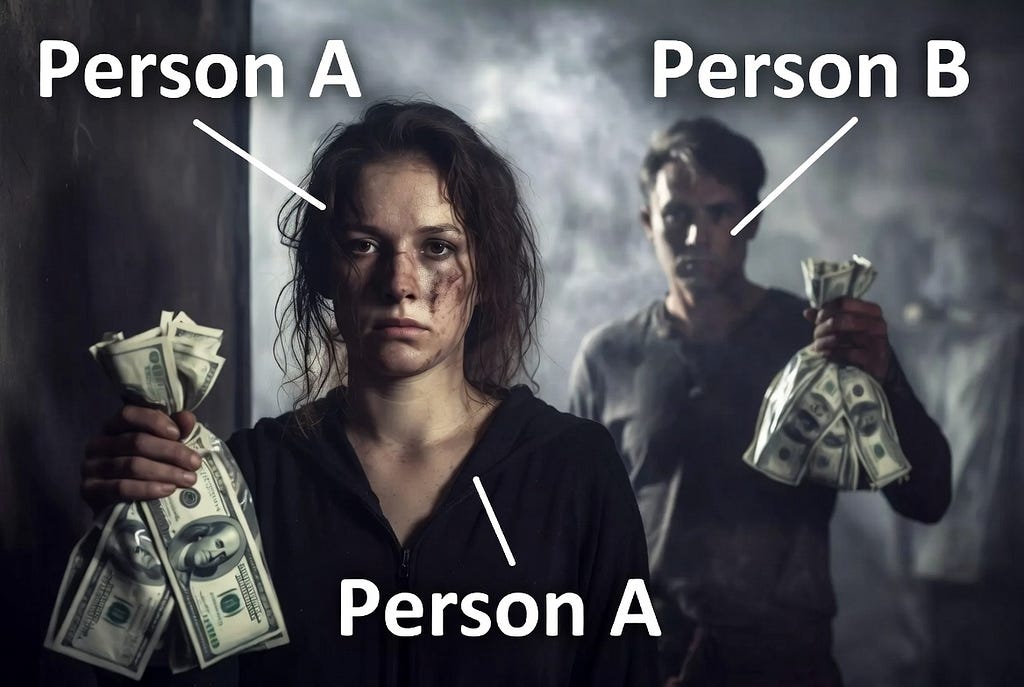
Two people steal the same amount of money. Same crime. Same facts.
Person A stole to feed their kids after losing their job. Person B stole because they wanted a
new watch.
An AI judge would see: identical crime, identical sentence.
A human judge might see: desperation vs greed. Survival vs selfishness. Punishment vs
rehabilitation.
The law says theft is theft. But justice asks why the theft happened. And that question
requires something AI doesn’t have.
Wisdom. Empathy. The ability to see a human being instead of just data points.
The Customer Service Problem at Scale
You know what this reminds me of?
AI customer service.
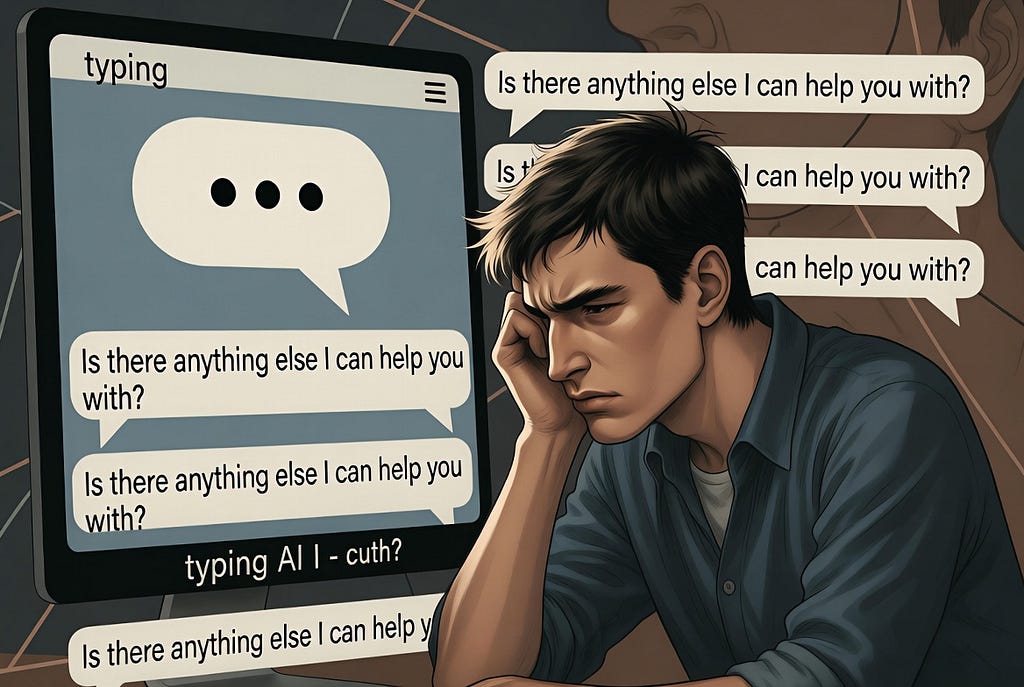
We’ve all been there. You have a problem. You contact support. You get stuck in an automated loop. The AI asks you the same questions over and over. It doesn’t understand
context. It can’t deviate from the script.
You just need a human who gets it. Who can say “okay I understand the situation, let me
actually help you.”
But you can’t reach one. Because the system is optimized for efficiency. Not for solving your
actual problem.
Now imagine that’s not customer service.
Imagine that’s your freedom. Your future. Your life.
You’re standing in front of an AI judge trying to explain why the circumstances of your case
are different. Why the algorithm got it wrong. Why context matters.
And the AI can’t hear you. Because it’s not programmed to care. It’s programmed to
process.
What AI Can’t Understand
There are things that happen in a courtroom that no algorithm can capture.
Body language. Is the witness nervous because they’re lying or because they’re terrified of
public speaking?
Tone. Is the defendant remorseful or just saying what they think the court wants to hear?
Context. Is this person a career criminal or someone who made one terrible decision in the
worst moment of their life?
Circumstance. Did they have a choice? Were there factors the data doesn’t show?
Humanity. Are we dealing with evil or with brokenness? Malice or desperation?
AI sees patterns. Humans see people.
AI applies rules. Humans apply wisdom.
AI delivers outcomes. Humans deliver justice.
The difference matters.
The Mercy Problem
Here’s the part that really bothers me.
Mercy.
Mercy is the thing that separates justice from cruelty. It’s the recognition that sometimes
the technically correct punishment is not the right one. That sometimes the law needs to
bend because reality is more complicated than rules.
A human judge can look at a case and say “yes technically they broke the law but I
understand why and I’m going to show leniency.”
An AI can’t do that. Because mercy is not logical. It’s not consistent. It doesn’t optimize for
anything measurable.
Mercy is the moment a judge looks at a kid who made a stupid mistake and says “I’m giving
you a second chance.”
Mercy is the moment a judge looks at someone drowning in addiction and says “treatment
not prison.”
Mercy is the human acknowledgment that we are all flawed and sometimes compassion
matters more than punishment.
AI doesn’t have mercy. It has parameters.
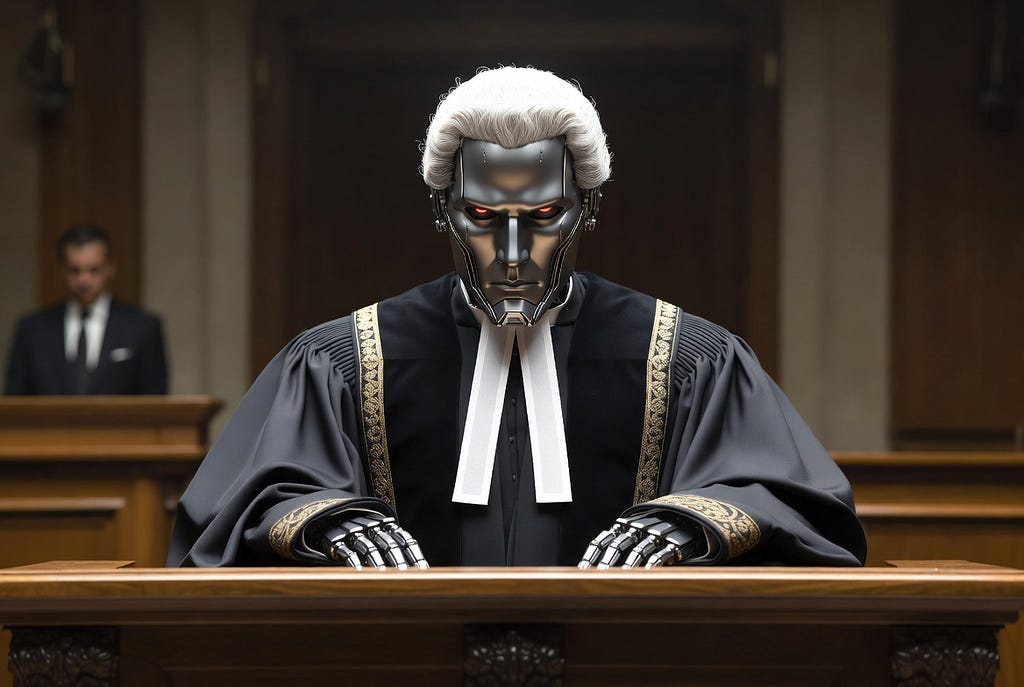
And a system without mercy is not a justice system. It’s a punishment machine.

“But AI Would Be Fair”
I know what the counterargument is.
“Humans are biased. AI would be fair. It would treat everyone equally.”
And that sounds good until you realize that treating everyone equally is not the same as
treating everyone justly.
Equal treatment ignores context. It ignores circumstance. It ignores the fact that two people
in the same situation may have had completely different paths to get there.
A rich person and a poor person both steal bread. Equal treatment says same crime same
sentence. Justice says maybe we should ask why someone who can afford food chose to
steal while someone who’s starving had no choice.
Fair is not the same as just.
AI delivers fair. Humans deliver just.

The Automation Trap
Here’s the bigger danger.
Once you automate justice, you remove accountability.
When a human judge makes a bad decision, you can appeal. You can point to bias or error.
You can argue they got it wrong.
When an AI makes a decision, who do you appeal to? The algorithm? The engineers who
built it? The company that owns it?
“Sorry your life was destroyed but the model said you were guilty. Take it up with the neural
network.”
That’s not justice. That’s algorithmic tyranny.
And once it’s in place, it’s almost impossible to fight. Because the system will say it’s
objective. It’s data-driven. It’s fair.
But fair to who? Accountable to who?
The people writing the code are not the people living with the consequences.

Where AI Actually Helps
I’m not saying AI has no place in the legal system.
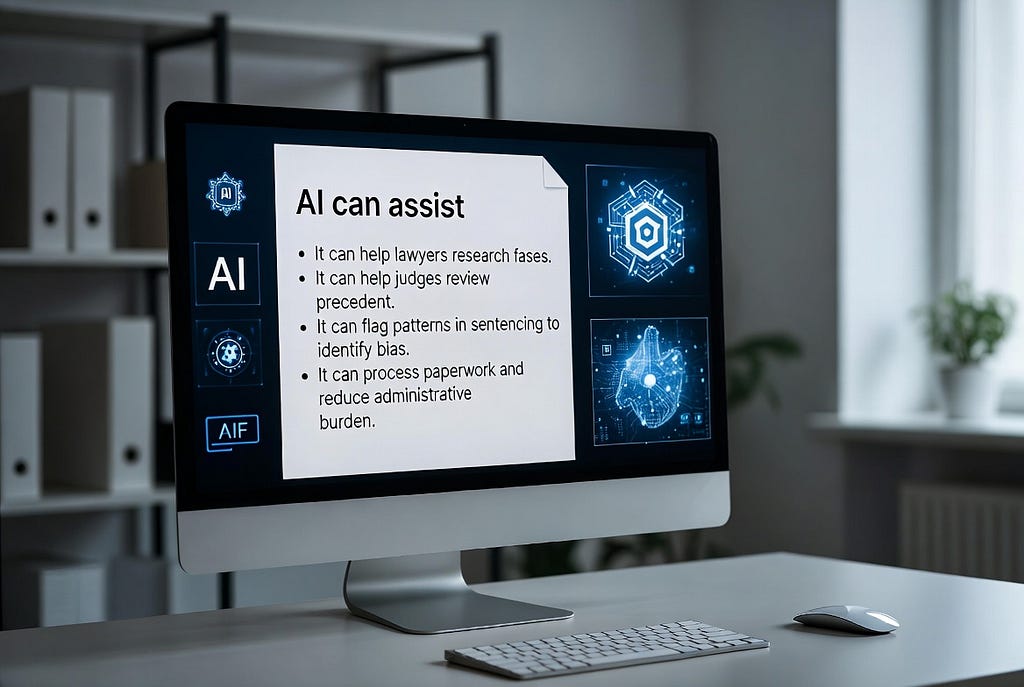
AI can assist. It can help lawyers research cases faster. It can help judges review precedent.
It can flag patterns in sentencing to identify bias. It can process paperwork and reduce
administrative burden.
AI as a tool? Absolutely. Incredibly valuable.
AI as the judge? Absolutely not.
Because the moment you remove the human from the decision, you remove the thing that
makes justice possible.
The ability to see a person and not just a case number.
The ability to understand context and not just data.
The ability to show mercy and not just apply rules. It should never become justice.
The $BNBGUY Connection
You might be wondering what this has to do with a meme token on Binance Smart Chain.
Here’s the connection.
$BNBGUY exists because I refused to accept the default model. Why does value only flow
when new buyers arrive? Why can’t a system be self-sustaining? Why accept the given rules
when you can build something better?
That same mindset applies here.
Why accept that justice should be automated just because we have the technology? Why
optimize for efficiency when the goal should be fairness? Why build systems that remove
humanity when humanity is the entire point?
The people who change things are the ones who ask whether we should do something, not
just whether we can.
AI judges are possible. That doesn’t make them right.
What Happens Next
This isn’t hypothetical. AI-assisted sentencing is already being tested in some jurisdictions.
Algorithms are already being used to predict recidivism, assess risk, recommend bail
amounts.
We’re already on the path.
And if we’re not careful, we’re going to wake up one day in a world where your freedom is
decided by code you can’t see, written by people you don’t know, optimized for outcomes
you didn’t agree to.
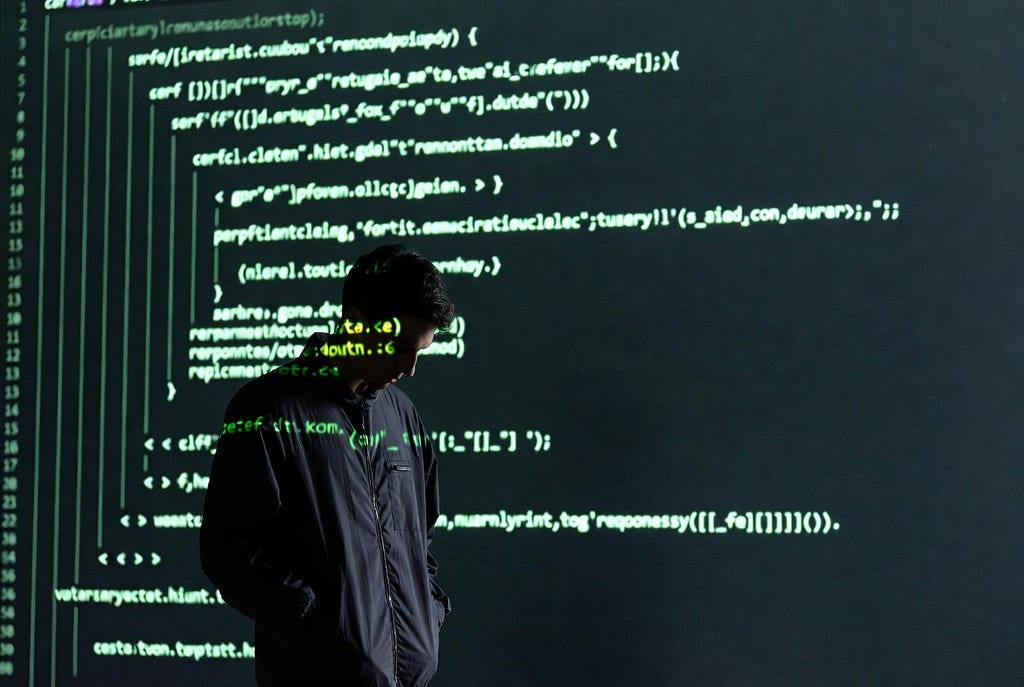
Justice will become a black box. And the human beings inside it will become data points.
That’s not progress. That’s dystopia with a user interface.
The Questions We Should Be Asking
If AI becomes the judge, who defends your humanity?
Who argues for mercy when the algorithm says punishment?
Who recognizes that you’re more than the sum of your worst decisions?
Who looks at your life and sees potential instead of patterns?
Who understands that justice is not just applying rules but deciding when the rules
themselves need to bend?
These aren’t technical questions. They’re moral ones. And they can’t be answered by
efficiency metrics or optimization algorithms.
They require wisdom. Empathy. The recognition that we are all flawed and that’s exactly why
we need human judgment.
Because only humans understand what it means to deserve a second chance.
Lubski BNBGUY is the creator of $BNBGUY on Binance Smart Chain — a self-sustaining
hybrid crypto project built on real revenue mechanics. Still asking hard questions at 2AM in
Melbourne. Still thinking about what happens when we automate the things that require a
soul.
Follow on Bluesky: @BNBguy Follow on X: @BNBguy_BSC Website: bnbguy.io
If AI Becomes the Judge, Who Defends Your Humanity? was originally published in Coinmonks on Medium, where people are continuing the conversation by highlighting and responding to this story.