
Best Spotify alternatives to use after the 2026 price increase
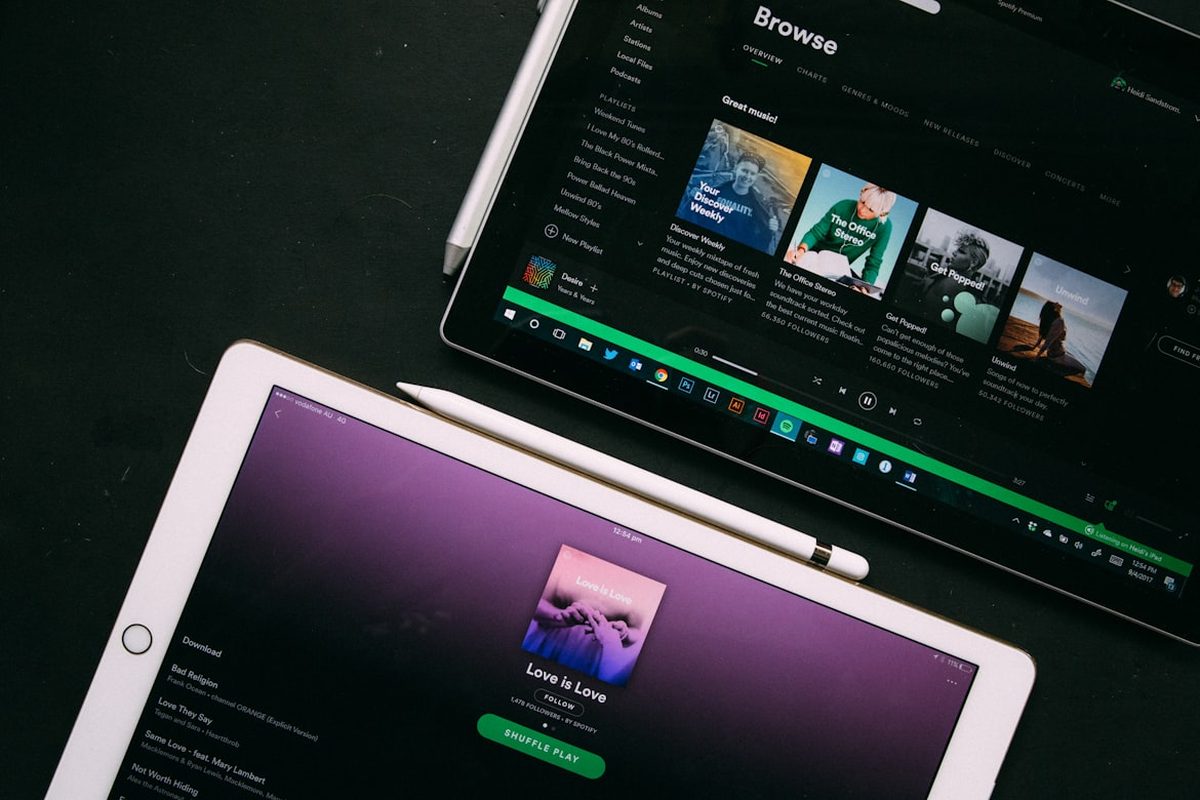
Spotify will raise its Premium subscription prices by $1 to $2 starting this February in the U.S., Estonia, and Latvia. Subscribers there receive email notifications about their February bills. The company states the increases reflect the value delivered, aim to improve user experience, and benefit artists.
These adjustments follow a similar price hike Spotify implemented in 2024. The company reported paying $10 billion to music rights holders during 2024. That payment figure covers royalties distributed to those holding music rights based on streaming activity across the platform.
Last year, Grammy-nominated songwriters boycotted an awards event hosted by Spotify. They protested what they described as decreasing royalties from the service. The boycott highlighted ongoing tensions between some artists and Spotify over compensation rates.
Spotify alternatives you can try out right nowSubscribers facing the price increase may consider alternative music streaming services. Each option provides distinct features, catalogs, and pricing structures tailored to different user needs and device ecosystems.
Apple MusicApple Music launched with a clunky interface and limited options but has undergone vast improvements in functionality and music selection. Its catalog exceeds 100 million songs and includes radio stations, playlists, and music videos, the latter absent from Spotify. The service now offers lossless audio and spatial audio for enhanced listening quality. Spotify announced plans for lossless audio in 2021 but has not released it. Apple Music maintains an Android app alongside its integration within the Apple ecosystem. New users receive one month free, followed by individual subscriptions at US$10.99 per month and family plans at US$16.99 per month. Bundled deals pair it with services like iCloud storage and Apple TV+.
YouTube MusicYouTube Music arrives bundled with a YouTube Premium subscription priced at US$13.99 per month. This package grants access to over 100 million songs alongside ad-free YouTube videos. Users also gain playlists, radio stations, and standard streaming features. The service aligns well with Android users due to Google’s ecosystem integration.
Amazon MusicThe standard Amazon Music tier integrates with Amazon Prime membership at US$10.99 per month. It delivers over 100 million songs, podcasts, and playlists. For expanded capabilities, Amazon Music Unlimited operates separately at US$11.99 per month and includes lossless audio tracks and spatial audio options.
TidalTidal positions itself as the service compensating artists most effectively while delivering the highest audio quality. Its catalog surpasses 100 million tracks. Subscriptions cost US$10.99 per month, with an optional DJ add-on providing stem separation for tracks. Beyond standard features, Tidal offers more than 650,000 videos and concert live streams.
BonusesAdditional alternatives exist among smaller providers. Bandcamp enables direct purchases and streams from independent artists. Napster returns as a streaming platform with a focus on licensed content. Qobuz specializes in high-resolution audio downloads and streams. Pandora emphasizes personalized radio stations generated from user preferences.
Switching services often involves transferring curated playlists, a process facilitated by third-party tools. SongShift operates exclusively on iOS devices and allows playlist migration between apps. Soundiiz functions through a web browser and supports transfers across multiple platforms. Both services permit free conversion of one playlist at a time, with paid options for faster bulk transfers. Users grant temporary access to their accounts on origin and destination services, which can be revoked afterward. The tools identify unmatched songs, often due to variations in titles, mixes, or exact names, and notify users accordingly.